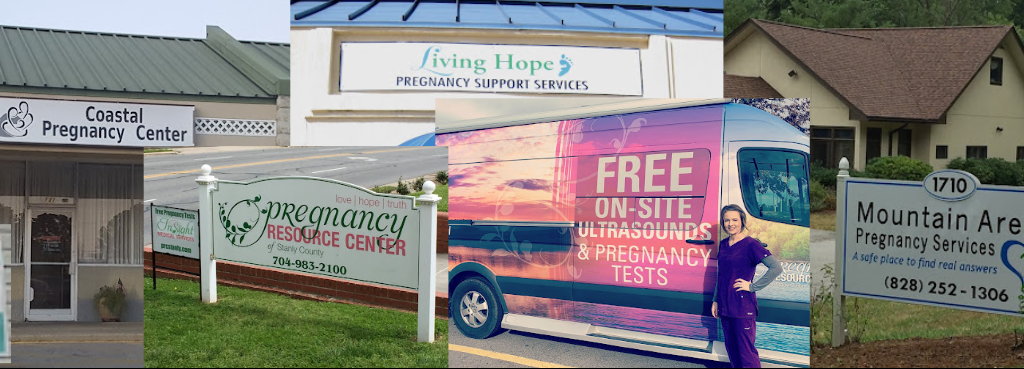
Learn about anti-abortion centers, more commonly known as ” crisis pregnancy centers” or “pregnancy resource centers”, the “services” they provide, their affiliations, and history.
Posts relating to the legality and accessibility of abortion
Learn about anti-abortion centers, more commonly known as ” crisis pregnancy centers” or “pregnancy resource centers”, the “services” they provide, their affiliations, and history.
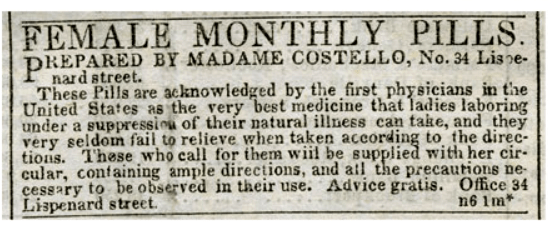
The anti-abortion movement would have you think that they are coming from a “reasonable” place to “protect life.” This narrative is downright false, unless you ignore the brutal history of restricting access to bodily autonomy and the criminalization of abortion dating back to colonial times. Let’s go down the rabbit hole together:
Seeking an abortion in North Carolina? Here are some resources available to support you through your journey.
CRAN is a volunteer-based network dedicated to supporting people seeking abortion by providing on-call emotional support, transportation, childcare, lodging for out-of-state patients, and full-spectrum doula services, free of charge.
CRAN operates an anonymous text-only hotline. If you need help, please send a text to the anonymous hotline between 9 am and 10 pm, Monday – Saturday. A member of the team is available to assist you. The hotline accepts text messages only. Your information remains anonymous.
Hotline: 704-703-7656
What is an abortion fund? Thanks to legal barriers like the Hyde Amendment that prevent medicaid funds from going towards abortions and most insurance companies not covering abortions, abortion funds are networks that work to help people cover some, or all, of the cost of their procedure.
Carolina Abortion Fund is North Carolina and South Carolina’s abortion fund.

Wednesday, Federal Judge Osteen decided to lift the injunction on North Carolina’s 20 week abortion ban. This now means that abortions after 20 weeks are illegal, unless there is a medical emergency. This decision defies the recommendations of all the named parties in the 2019 case.
“Neither this court, nor the public, nor counsel, nor providers have the right to ignore the rule of law as determined by the Supreme Court,”
Federal Judge Osteen
This ruling adds fuel to an already contentious midterm election year after the Supreme Court ruling propelled state-level politics into the spotlight. North Carolina Republicans in November will aim to snag the five additional seats they need for a veto-proof supermajority in the state legislature.
Republican lawmakers say a successful election season could open the door to further abortion restrictions when the General Assembly reconvenes early next year. Moore told reporters on July 26 that he would like to see the legislature consider banning abortions once an ultrasound first detects fetal cardiac activity — typically around six weeks after fertilization and before some patients know they’re pregnant.
Fundamentally, this law does not change much about abortion access in North Carolina; clinics in the state were not performing abortion care beyond 20 weeks. However, while abortions 20 weeks or later are rare (96% happen before 12 weeks of pregnancy), the enforcement of this law serves to criminalize those who are in need of abortions and those who help them obtain abortions.
Keep in mind, this law has been on the books since 1973. An injunction was placed on it and abortions were allowed up until viability, which is around week 23 or 24 of pregnancy.
“People seeking abortion later in pregnancy often do so because they face delays in accessing abortion care or dangerous complications with their pregnancy… Many need time to secure funds, time off work, transportation, and childcare, and often encounter other barriers in obtaining care, including medically unnecessary, state-mandated restrictions like North Carolina’s 72-hour forced waiting period.”
Jenny Black, President & CEO of Planned Parenthood South Atlantic
With the variety of TRAP laws already in place in North Carolina such as 72-hour waiting periods, biased mandatory counseling, state and federal funding restrictions, and mandatory ultrasounds, the enforcement of the 20 week ban only serves to add yet another barrier for pregnant people seeking abortion in North Carolina.
It is up to us to vote in legislators that will protect abortion access and push current legislators to remove the current restrictions. Remember, there is no choice when there is no access.
If you or a loved one are in need of abortion, please refer to my post, Abortion Providers in North Carolina.
Abortion is a heavily stigmatized subject. For decades, right-wing forces and the church have been on a misinformation campaign on abortion. Part of the fight for abortion access and reproductive justice includes destigmatizing abortion and taking back our narrative.
It’s past time to name and demand what we need. We only destigmatize abortion by using the word abortion.
Sometimes choosing abortion is a difficult decision, and sometimes it’s not – there are many nuances around having an abortion. All abortions and decisions to have an abortion are unique, individual, and deserve respect.
Telling your story (if it’s safe for you to do so) helps give a face to the statistics. This is a crucial aspect of destigmatizing abortion by showing that it is far more common than people seem to think. Nearly 1 in 4 people will have an abortion by the age of 45.
“I would never have an abortion” is a very common thought that many people have — until they need to get an abortion. The fact of the matter is, abortion is a life saving healthcare procedure that millions of people obtain a year. For many people, one of the hardest parts is the stigma surrounding abortion.
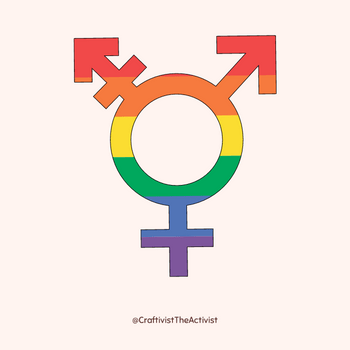
(Cis) women are not the only people who obtain abortions. When the conversation around abortion and/or reproductive healthcare only includes cis women, it excludes trans men, intersex people, nonbinary people, and other gender-nonconforming folks from the conversation. Leaving them out of the conversation dismisses their reality and removes any concept of solidarity that needs to be built and maintained for a liberating mass-movement. When applicable, it’s best to use the gender neutral language i.e. “pregnant people”, “people with uteruses”, & other similar phrases to be inclusive to our transgender, nonbinary, intersex, and other gender nonconforming comrades.
Coat hanger images and “back-alley” references are problematic; they lead people to think that all self-managed abortions are dangerous, when in fact self-managed abortions are the safest they’ve ever been thanks to the availability of abortion pills (which the FDA recently approved to be delivered by mail.) The stigmatization and coat hanger/back-alley narrative of the past fuel justification for outlawing self-managed abortions.
Want to print off a copy to share with friends or family? Below are free PDF’s, donations are accepted.
 Craftivist The Activist
You must be logged in to post a comment.