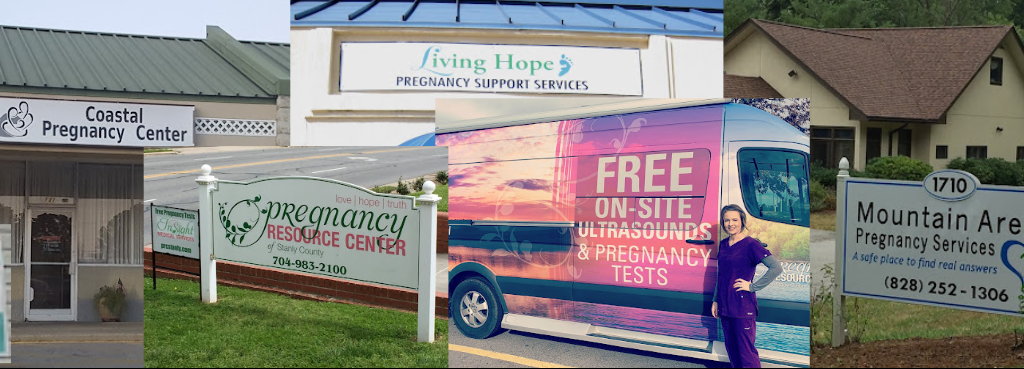
The anti-abortion movement has infiltrated the reproductive healthcare landscape by setting up anti-abortion centers, which are more commonly known as “crisis pregnancy centers” or “pregnancy resource centers”. Click below to learn more.
Anti-abortion centers (AACs), more commonly known as “crisis pregnancy centers” or “pregnancy resource centers” are religious/social service nonprofit organizations with the primary goal of intercepting and stopping pregnant people from receiving abortion care — other goals include promoting parenthood, adoption, or marriage over abortion, Evangelism, purity culture, abstinence until marriage, etc. These centers are primarily ran by volunteers with the intention of discouraging pregnant people from having an abortion by using coercive emotional appeals, oftentimes gruesome imagery, & medical misinformation. These centers have deep ties to anti-abortion organizations and the broader Religious Right movement despite (sometimes) trying to appear separate from it.
Why does it matter that they are non-profit organizations?
They are unlicensed…
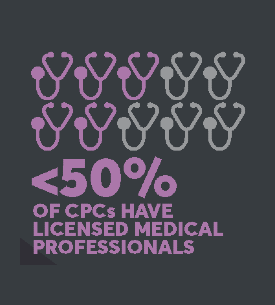
Most anti-abortion centers are not licensed medical clinics, nor are they regulated by the state or any other oversight board. Anti-abortion centers are exempt from state licensing and regulations that apply to genuine healthcare facilities. Since anti-abortion centers operate under the guise of social service/religious non-profit organizations, they are not held to the same legal, ethical, and medical standards as legitimate medical providers.
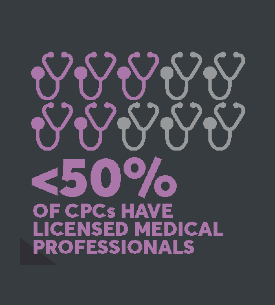
In most of the country, North Carolina included, anti-abortion centers don’t have to be directly licensed, instead they provide medical services under the professional licenses of their staff and volunteers. Even in the event that a volunteer or staff member has a valid license as a medical professional, their responsibilities within an anti-abortion center lack the proper supervision, as is typically mandated by state authorities, medical associations, and other regulatory bodies that ensure effective governance within legitimate healthcare establishments and uphold high standards for medical practitioners. This situation presents a significant challenge when it comes to addressing matters that require attention, as there lacks a clear chain-of-command to report individual grievances and potential public health hazards.
They are unregulated…
Since anti-abortion centers operate under the guise of social service/religious non-profit organizations, they are not held to the same legal, ethical, and medical standards as legitimate medical providers. They also lack the regulatory oversight that governs legitimate medical clinics. Centers lack regulatory oversight as they are not medical practices and do not charge for services. This exempts them not only from laws and statutes specific to medical clinics but also from Federal Trade Commission or state regulations that apply to commercial enterprises.
Concerns for Privacy
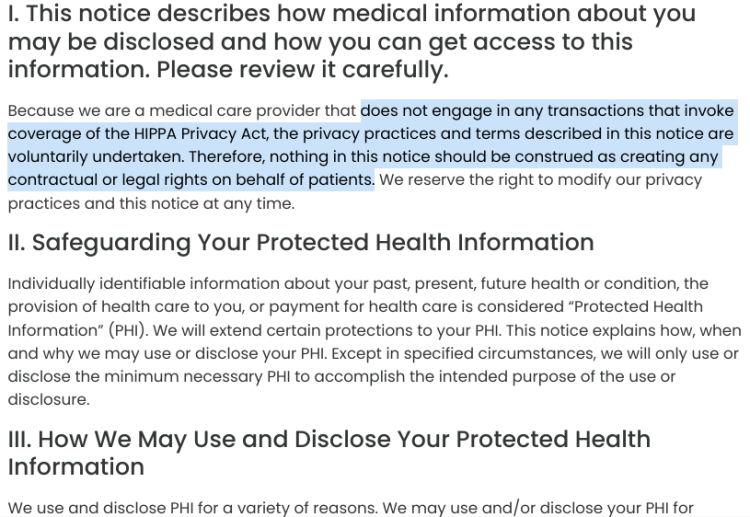
By operating as a nonprofit organization instead of a licensed medical facility, anti-abortion centers that are not licensed medical facilities cannot legally, medically, or ethically be held to the privacy provisions of the Health Insurance Portability and Accountability Act (HIPAA) which could lead to violations of client privacy. This poses serious concerns for patient privacy, especially in post-Roe America. These centers deliberately target pregnant people who are in vulnerable positions and withhold this information from them. Some anti-abortion centers have even been known to harass people after they’ve left the center by calling them incessantly and violating their privacy by collecting and sharing personal information with other anti-abortion groups and potentially with the state and general public.
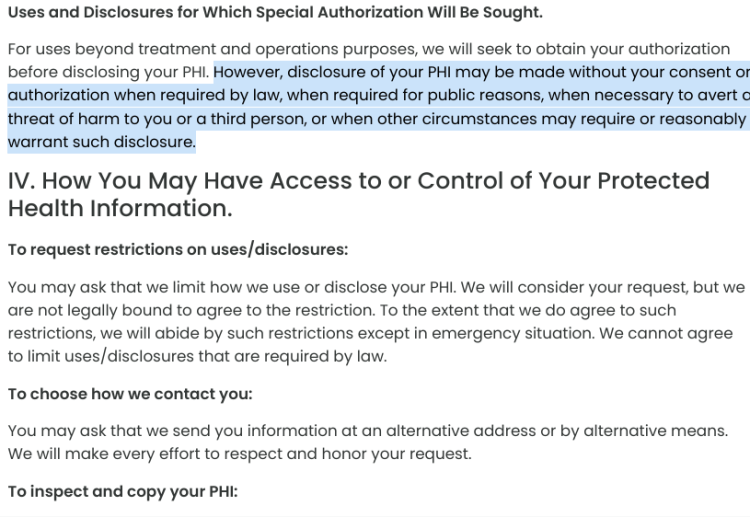
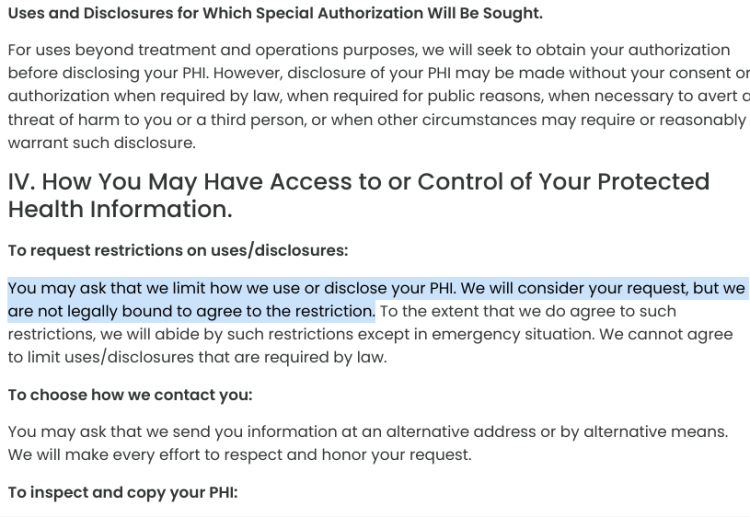
Here is a ‘Notice of Privacy Practices’ from an anti-abortion center in Raleigh, NC, stating that they may or may not honor your requests about your own medical information and privacy.
Individual & Public Health Risk
Anti-abortion centers pose both individual and public health risks. By operating as nonprofit organizations, these centers do not have any oversight by the state, medical boards, or any other regulatory board that medical facilities and professionals are held too. This poses a serious problem when an issue needs to be addressed as there is no chain-of-command on reporting potential public health risks.
Individual Health Risk
Anti-abortion centers engage in an array of unethical tactics. Some tactics include neglecting to disclose unlicensed status, anti-abortion, and Evangelical affiliations, lying to patients about how far along their pregnancy is and the condition of the pregnancy, and withhold informed consent and comprehensive, quality healthcare options from pregnant people.
An anti-abortion center in Worcester, Massachusetts is being sued after they failed to diagnose a woman’s ectopic pregnancy during an ultrasound appointment and the pregnancy later ruptured, which required emergency surgery to remove one of her fallopian tubes. Ectopic pregnancies are never viable and can be life-threatening; the pregnancy should have been terminated immediately.
According to a press release, Doe thought she might be pregnant in October 2022 and wanted to get an ultrasound. She found Clearway (the anti-abortion center) through an online search and got an appointment later that day. A Clearway nurse did an ultrasound and said the pregnancy was both viable and in her uterus; the suit says it’s against state medical regulations for registered nurses to read ultrasounds because they’re not licensed diagnosticians. A physician didn’t see Doe, though her discharge paperwork said a medical doctor provided her care.
A month later, Doe felt shooting pain on her side and was so weak and lightheaded that her husband called 911, per the release. Emergency room doctors diagnosed her with a ruptured ectopic pregnancy and internal hemorrhage. In order to stop the hemorrhaging, doctors did emergency surgery in which they had to remove of one of her fallopian tubes. None of this should have been necessary, as legitimate medical providers would have ended Doe’s life-threatening pregnancy with medication—typically the cancer drug methotrexate.
Public Health Risk
The Guardian and Reveal Podcast reported on an incident in Kentucky where an anti-abortion center was exposed for using an expired disinfectant to clean a transvaginal ultrasound probe. The whistleblower was a pro-life nursing volunteer. The disinfectant, medical researchers have warned in recent years, doesn’t kill the human papillomavirus, a widespread and potentially deadly sexually transmitted infection responsible for more than 90% of cervical cancers, as well as cancers of the genitals and throat. The whistleblower immediately went about trying to fix the problems she saw, first with her manager and then the clinic’s leadership. After four months and little response, she filed a slew of whistleblower complaints with the state of Kentucky.
The whistleblower’s, Susan Rames, account of the problems at the center was documented in hundreds of pages of emails, cellphone photos, research papers and other materials, highlights how the lack of regulation of pregnancy centers can put women – and, in the case of HPV, potentially even their partners and babies – at risk.
Without oversight, it’s hard to know if centers follow protocols or compromise safety. Whistleblowers can’t guarantee lasting improvements without being held to the same standards as legitimate healthcare facilities. However, these centers and the larger organizations that back them consistently challenge any legislation that is passed to regulate them.
They engage in unethical practices…
Anti-abortion centers have a long history of engaging in deceptive, emotionally manipulative, and unethical tactics. As stated in the study, Why Crisis Pregnancy Centers Are Legal But Unethical, “Their mission is to prevent abortions by persuading women that adoption or parenting is a better option. They strive to give the impression that they are clinical centers, offering legitimate medical services and advice, yet they are exempt from regulatory, licensure, and credentialing oversight that apply to health care facilities. “
Despite claims to the contrary, these centers do not meet the standard of patient-centered, quality medical care
“Why Crisis Pregnancy Centers Are Legal But Unethical” (2018) AMA Journal of Ethics
The study continues, “Because the religious ideology of these centers’ owners and employees takes priority over the health and well-being of the women seeking care at these centers, women do not receive comprehensive, accurate, evidence-based clinical information about all available options. Although crisis pregnancy centers enjoy First Amendment rights protections, their propagation of misinformation should be regarded as an ethical violation that undermines women’s health… Perhaps most worrisome, regardless of whether a particular location is licensed, these centers engage in counseling that is misleading or false. Despite claims to the contrary, these centers do not meet the standard of patient-centered, quality medical care”.
What services do anti-abortion centers offer?
Pregnancy Tests
Anti-abortion centers offer free pregnancy testing in the hopes of luring in pregnant people who may be seeking abortion. They often claim the tests are “medical grade” to make them seem more accurate than a standard home urine pregnancy test (they are not). They may offer free pregnancy testing, but then refuse to give you the written test results. You can also tell by the way they handle your pregnancy test. If you go in for a free pregnancy test and they do not give you the result right away, they refuse to tell you the result, or will not give you the result in writing, you are at an anti-abortion center.
Instead of seeking pregnancy tests at these facilities: it is best to go to your primary care provider, local health department, Planned Parenthood, or your OB/GYN for an pregnancy test and confirmation and get you enrolled in government assistance (Medicaid, WIC, SNAP, etc.). Your local health department and Planned Parenthood may be able to provide the ultrasound for free/low-cost. Abortion providers will also confirm the pregnancy for free at your appointment.
These are referral services and nonjudgmental, compassionate talklines:
- All Options: Operates a toll-free talkline to provide judgment-free support for pregnancy options, pregnancy loss, abortion, adoption, parenting, infertility, or other reproductive decisions and experiences. (Formerly known as Backline.) By phone: 1-888-493-0092
- Exhale: For free, confidential, and non-judgmental emotional support after your abortion, no matter how you’re feeling.
- Abortions Welcome: For spiritual support before, during, or after an abortion.
- AbortionFinder.org: A directory of trusted, verified abortion service providers in the United States. Also shares what to expect from a medication abortion versus an in-clinic abortion.
- INeedAnA.com: I Need an Abortion can help you understand how to get an abortion depending on where you live and your circumstances. They provide options for ordering abortion pills by mail and the closest abortion clinics to your zip code.
- Repro Legal Helpline: Free, confidential helpline where you can get legal information or advice about self-managed abortion, young people’s access to abortion or judicial bypass, and referrals to local resources.
Run by If/When/How. By phone: 1-844-868-2812 - Text Abby: Minors (under 18) who might be seeking abortion can use the Text Abby program to connect with legal support. By phone: 844-997-2229
- Carolina Abortion Fund: CAF operates a confidential, toll free helpline that provides financial, practical, and emotional support to callers in North and South Carolina trying to access abortion care.
- National Abortion Fund: NAF is a national, toll-free, multi-lingual Hotline for abortion provider information and financial assistance in the U.S. and Canada. NAF also provide case management services and limited financial assistance to help you afford the cost of your care and travel-related expenses. By phone: 1-800-772-9100 | Call Mon-Fri 8am-7pm ; Sat-Sun 8am-4pm
- Carolina Reproductive Action Network: CRAN offers free transportation, child care, full-spectrum doula services, and on-call emotional support for patients navigating their healthcare needs as well as additional resources listed. A member of the team is available to assist you. The hotline accepts text messages only. Your information remains anonymous. If you need help, please send a text to our anonymous hotline. By phone: 704-703-7656 (text message only) | 9 am and 10 pm, Monday – Saturday.
Limited ultrasounds
Free “limited ultrasounds” are provided by many anti-abortion centers across the country and in North Carolina as a way to emotionally manipulate pregnant people who are seeking abortion into changing their minds. A report from The Alliance: State Advocates for Women’s Rights & Gender Equality found that these ultrasounds are done “to persuade clients to carry their pregnancies to term and falsely signal medical legitimacy,” a practice that has been condemned by the American Institute of Ultrasound in Medicine.
What is a “limited ultrasound”?
Limited ultrasounds do not include a comprehensive evaluation of the pregnancy. As per the American Institute of Ultrasound in Medicine, “A limited obstetrical ultrasound examination does not include a comprehensive evaluation of fetal anatomy but assumes that a standard or detailed fetal anatomic survey has been done or will be performed later in the pregnancy. The patient should be informed that the study is limited and only seeking to answer a specific clinical question.” Anti-abortion centers do NOT refer, recommend, or provide abortions; in the case that the pregnancy is ectopic or nonviable, they will put their anti-abortion beliefs over the health and safety of their clients.
Instead of seeking ultrasounds at these facilities: it is best to go to your primary care provider, local health department, Planned Parenthood, or your OB/GYN for an ultrasound or ultrasound referral. Your local health department and Planned Parenthood may be able to provide the ultrasound for free/low-cost and get you enrolled in pregnancy programs (Medicaid, WIC, SNAP, etc.).
Limited STI testing
STI testing varies greatly from center to center, IF it’s offered. Nearly 4 out of 5 anti-abortion centers do not provide any testing for STIs. Most anti-abortion centers, if they offer STI testing, will only test for a few STIs, while others might have comprehensive testing (although this chance is slim). Most centers only offer limited STI testing on certain days of the week or by appointment. While these centers may offer testing, the majority of anti-abortion centers do not provide treatment options.
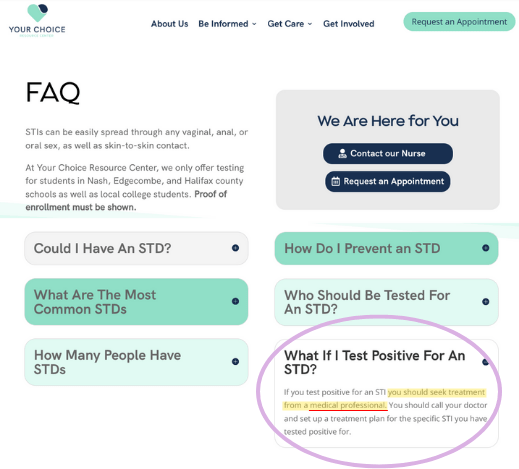
For example, this anti-abortion center in Rocky Mount, NC does not inform potential visitors what type of STIs they test for. Surprisingly, the center directs them to “seek treatment from a medical professional” for people who test positive for one of the unspecified STIs. If a facility is conducting tests for unspecified STIs, it’s interesting to consider why they would suggest that you seek treatment from a medical professional, unless they aren’t actually a medical facility.
Instead of seeking STI testing/treatments at anti-abortion centers, it is best to seek services at your local health department, primary care provider, OB/GYN, Planned Parenthood, or other reputable, licensed medical professional. All of these options will provide comprehensive testing and treatment options. Most of these options are typically free/low-cost.
Why does STI testing/treatment vary so much from center to center?
Over the last decade or so, some anti-abortion centers have started to offer limited medical services, including STI testing, in an attempt to counter the “fake clinic” moniker that reproductive rights advocates have applied to them. It’s also a ploy to get more government funding and credibility by being listed on government-provided resource directories.
A study published in the Journal of Sexually Transmitted Diseases in 2021 found that just over 21% of anti-abortion centers advertised STI testing on their websites. However, fewer than 5% advertised HIV testing specifically, and only about 12% advertised any kind of STI treatment. Of the centers contacted by phone, most offered testing for only two STIs. Only about 15% offered any STI treatment. More than one-fifth of the centers that offered testing didn’t even offer treatment referrals. A minority but substantial number of anti-abortion centers advertised and offered HIV/STI services. People at risk for pregnancy who seek AAC services likely have an outstanding need for HIV/STI services.
Material Assistance/”Earn While You Learn”
Anti-abortion centers pride themselves for providing material assistance such as diapers, baby wipes, maternity and infant clothes, formula, cribs, etc. Material assistance is either done at the center normally through an “Earn While You Learn” program or referred to another organization like a local church.

What is the “Earn While You Learn” Program?
TLDR; The “Earn While You Learn” program requires people — who are normally pregnant or with young children — who are seeking material aid, such as diapers, formula, baby wipes, maternity and infant clothing, cribs, etc, to complete classes to earn ‘baby bucks’ — fake money — to purchase material aid from the ‘baby boutique’. This program was developed by the Evangelical organization Heritage House ’76 in 2001.
A Deeper Look Into The Program
The study Free, but at what cost? How US crisis pregnancy centres provide services (2022) looked at the services anti-abortion centers provide and given their popularity among state legislatures, their connection to the state. Eight of the respondents reported that their center provided free material aid for parents of infants in exchange for taking classes on parenting, abstinence or Bible study. These necessary and expensive items, such as strollers, diapers, and wet wipes, cannot be purchased through the Supplemental Nutrition Assistance Program (SNAP), and are often financial burdens for low-income parents. While the people who visit these centers may receive an occasional gift, they are otherwise expected to earn material aid. Karli, a staff member at a rural AAC, described ‘Baby Bucks’:
[The clients] could do self helps [worksheets designed to help overcome personal problems], read brochures, and answer a few questions. If they, like, went to a community breastfeeding class or something like that, they could get Baby Bucks. It’s basically just like play money and then they can purchase anything they need: cribs, strollers, car seats, diapers, formula, clothes, really anything. Instead of just handing it over, we want to instill better values and that they earned it.
Earn While You Learn’ covers a wide range of topics including pregnancy, parenting, family values, intimate partner abuse, “sexual integrity classes” and “Sexual Risk Avoidance Coaching”. Karli explained the reasoning behind the program:
Our society now, it’s like ‘gimmie gimmie gimme’…In our society today, and especially in this community, no one wants to work. Everyone just wants to live off the government…They think they’re entitled to everything, and we want to teach them a work ethic. You have to do something. We want you to learn and better yourself and then we will give you what you need. I mean, it’s still free in a sense, but at least they’re doing something for it and they’re learning and they’re bettering themselves.
Karli’s community had many stable jobs until a major employer pulled out of the area leaving thousands of people unemployed and, subsequently, seeking public assistance. Karli noted that while lack of employment opportunities is a local problem, the bigger issue facing clients was what staff referred to as an ‘entitlement mindset’ (that clients believed they were owed financial support without doing the work to achieve it) and poor decision-making. Heritage House curricular materials echoed this view, stating that “Giving things away free only enables our clients and fosters the entitlement mentality… The lessons they learn are crucial to the emotional and physical well-being of their babies and break cycles of poor parenting, neglect and abuse”.
Another way anti-abortion centers try to frame this program is by stating something along the lines of “We prepare you for labor, delivery, and parenting; teach you practical parenting skills; and provide opportunities for you to earn infant items” — as in they are doing you a favor by having you take classes for material aid. that a fair amount advertise as free. Instead of recognizing that poverty is a systemic issue, not an individual issue, these centers require people who struggling financially to jump through hoops for the very aid these centers pride themselves for providing. The ‘Earn While You Learn’ program is steeped in paternalism.
Peer-Counseling
The vast majority of anti-abortion centers offer some form of peer-counseling, normally in conjunction with the “Earn While You Learn” program. This can range from:
- Pregnancy classes
- Parenting classes
- Bible study
- “Post-abortion recovery”
- Life skills
- ‘Sexual integrity’ classes
More about the classes…
For the most part, staff who work at anti-abortion centers see their work as a spiritual mission to attract clients to Christianity, which ends up intertwining with their social service work. For example, Patricia, the executive director of a rural anti-abortion center, described allowing clients to do Bible study for Baby Bucks.
Also linking conservative, Christian values and anti-abortion centers is the assumption that clients are engaged in “problematic” sexual behavior such as having premarital sex and not being abstinent (ie purity culture). Anti-abortion centers may offer non-evidence based ‘Sexual Integrity’ classes to promote abstinence outside of marriage. These classes advance Conservative Christian values, with abstinence being a major component of Christianity and anti-abortion activism, and also conservative political values such as delayed gratification and personal responsibility (getting clients out of the “entitlement mindset, which as talked about under the “Earn While You Learn Program). This is in direct contrast to the non-judgmental environment recommended for abortion counseling.
Acting as an arm of the state
The results of a study from 2022 investigated how anti-abortion centers act as an arm of the state showed that these centers have become embedded within the state network of social services. For example, anti-abortion centers in Ohio have become embedded in three ways: through pregnancy verification, through court reunification activities, and through informal casework through networking. In the first two cases, the centers formally carry out the tasks of the state.
Pregnancy Verification
To enroll in Special Supplemental Nutrition Program for Women, Infants, and Children (WIC), Emergency Medicaid due to pregnancy, or other subsidized insurance programs in Ohio it requires pregnancy verification from a state-approved institution. All centers in the study sample provided urine pregnancy tests free of charge, and six provided ultrasound services. While these centers cannot legally diagnose pregnancy in Ohio, state organisations accept AAC tests as official pregnancy verification.
Through pregnancy verification, anti-abortion centers act as extensions of the state by providing evidence about which residents are eligible for state services. Yet this illustrates an absurdity in the state’s definition of pregnancy and diagnosis, where the state grants power to verify pregnancy to an organization that legally cannot diagnose a pregnancy.
Reunification
Representatives of the state such as health workers, social workers, lawyers and judges may refer clients to anti-abortion centers for parenting classes. All the centers in the study provided educational materials and six centers worked directly with the court system to provide parenting classes for the purposes of possible child reunification following loss of custody to the state. The authors of the study found this to be a common practice in rural areas, where clients may have few choices for free court-approved parenting classes. Anti-abortion center classes are administered in a one-on-one format, and interactions with staff members during coursework have major implications for client reunification with their children. As the client services manager at a rural anti-abortion center, Jessica supervises client advocates who work with clients seeking reunification. She said,
With the reunification clients, we are very careful to do lots of details. Stuff like, are they late? [Do they have] a bad attitude? Because the case workers want to see that…We have clients that we don’t write letters for because they are really just here to get diapers.
Jessica’s quote illustrates the power of staff at anti-abortion centers in reunification cases. Based on their assessment, clients may fail to gain custody of their children for attending for the ‘wrong reasons,’ including violations of staff’s ideology, such as seeking material aid for free. If they deem the client to be “entitled” and “reflecting the wrong values”, staff can withhold the needed letter upon completion of classes, acting as an obstacle of the state.
The number one goal of foster care is to help families resolve their issues – which typically stem from poverty – and reunification (as it should be; one of the core tenets of Reproductive Justice is the right to parent your children in safe and sustainable communities). With that being said, state agents should not be endorsing programs that are not evidence-based and penalize people for living in poverty, which disproportionately harms families living in economically depressed areas (e.g. a lack of jobs with sustainable wages, food deserts, healthcare deserts, etc), LGBTQ+ families, families with disabled members, Black, Indigenous, and families of color.
In an ideal world, poverty – and therefore the struggles and barriers that arise from it – would be grasped from the roots.
Beware of “Abortion Pill Reversal”
One type of abortion procedure is by taking medication — when taken, medication abortion successfully terminates the pregnancy 99.6% of the time, with a 0.4% risk of major complications, and an associated mortality rate of less than 0.001 percent (0.00064%). This consists of a two-pill regimen, Mifepristone and Misoprostal. Mifepristone is the first pill taken in the regimen and stops the body’s production of progesterone, a pregnancy hormone. The second pill is Misoprostal, which causes cervical softening and dilation and uterine contractions. Some anti-abortion centers offer an unproven and unsafe procedure called “abortion pill reversal”.
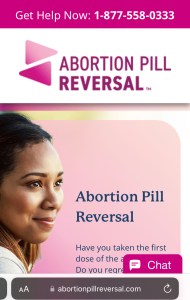
It is important for you to know that the “abortion pill reversal“ procedure is NOT backed by science nor is it recommended by the leading OBGYN organizations. In fact, the American College of Obstetrics and Gynecology (ACOG) calls this procedure unproven, unethical, and does not support prescribing progesterone to stop a medication abortion. Your abortion provider will talk with you about your options (including not terminating if you change your mind or if you are unsure).
What these centers do NOT provide…
- Quality, licensed health care and comprehensive treatment options
- Informed consent
- Referrals, recommendations, or abortion procedures
- Referrals, recommendations, or birth control options
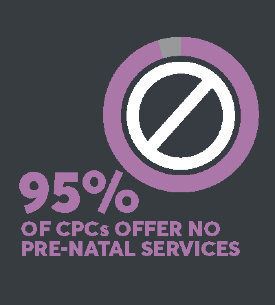
- The vast majority do not provide pre-natal care
How do these centers deceive people?
Online…
Living in the digital age, the anti-abortion movement has adapted and utilized the power of the internet as a means to reach the general public. The websites for anti-abortion centers use an number of methods to reach clients and donors. These can include, but are not limited to:
- Utilize Search Engine Optimization (SEO) to get listed at the top of search engines like Google and Yelp
- Websites will likely include birth control information and abortion information, lending to the confusion that they may actually provide these services when they vehemently oppose them
- Websites may appear to be unbiased
- Websites, staff, and facilities often co-opt medical language and commonly employ phrases related to choice and autonomy
- The website talks about abortion in a stigmatizing and hostile manner, is overly vague about the procedure, or attempts to talks about abortion in a neutral manner but references outdated and debunked studies
- Websites often do not disclose religious affiliations or funding sources
- Heartbeat International recommends anti-abortion centers to have two separate websites
- One for securing donors in the anti-abortion movement
- One to attract pregnant people seeking abortion
IRL…
Anti abortion centers employ an array of deceptive practices in real life to get people – mainly people who are seeking abortion – in their doors to hear their anti-abortion and/or Evangelical message. These deceptive practices can include, but are not limited to:
- Using similar names to abortion clinics and women’s reproductive healthcare facilities to legitimize themselves
- May be located near real abortion clinics in an attempt to trick people going to the abortion clinic from going to the right facility and to get people into their door
- Lay volunteers who are not licensed clinicians at AACs often wear white coats and see women in exam rooms
- Most states do not require these centers to disclose the fact their facility, staff and/or volunteers are not licensed to their clients
- Tend to target rural areas, low-income people, students, and Black, Indigenous, and pregnant people of color
- Shame people for sexual history, drug use, and considering abortion
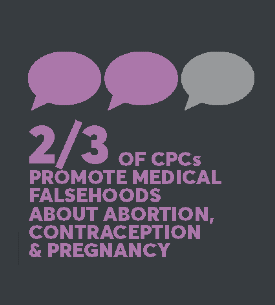
- Have a reputation for providing medically-inaccurate information, including alleging false links between abortion and risk of breast cancer, mental health issues, and infertility, as well as giving people incorrect information about the condition of their pregnancy and gestational age and overestimating the risk of miscarriage among individuals with a recognized pregnancy, to dissuade clients from seeking an abortion immediately
- Anti-abortion centers have also been known to perpetuate false or misleading information about the effectiveness of condoms and birth control and instead promote abstinence and purity culture
More…
Funding sources
Anti-abortion centers receive funding from various sources, including private donations, churches, philanthropic grants, anti-abortion organizations, and taxpayer contributions. Significant contributions from private donors, churches, and philanthropy significantly contribute to the establishment of robust infrastructure within these centers. As a result, these centers have evolved into the institutions they are today, especially after the Dobbs decision.
Anti-abortion centers began to receive government funding in the late 1980s and it has exponentially increased since then. The tax-payer funding comes from:
- “Choose Life” License Plates Anti-abortion centers in at least 29 states obtain some form of state funding through initiatives such as the “Choose Life” license plate programs, of which a portion of sales benefit anti-abortion centers. The program has brought in $29 million in revenue from 29 states that benefit various AACs in each state since it began in 1996.
- State budget Some states directly fund anti-abortion centers or state-wide networks of these centers in their budgets. For example, North Carolina began funding these centers through the state budget in 2013, granting $250,000. In the latest budget for 2023-2025 (which was months late due to the Republican-controlled legislature prioritizing passing the ‘Slate of Hate‘ legislation) the funding increased to $20.26 million.
- “Alternatives to Abortion” Programs 14 states directly fund anti-abortion centers through Alternatives to Abortion programs. At least 10 of those 14 states have diverted funding from Temporary Assistance to Needy Families (TANF), a public assistance program meant to benefit low-income families, to anti-abortion centers. Because of the lack of transparency and accountability for these centers, it is unclear exactly how much federal and state funding has been allocated to anti-abortion centers.
- Pennsylvania was the first state to begin state funding for Alternatives to Abortion in 1996 and has funneled over $100 million to the program since its inception. After Roe was overturned in June of 2022, numerous states had tight midterm elections in November, with abortion and reproductive rights being a top concern for millions of voters across the nation. The Democratic nominee Josh Shapiro was elected Governor with a 14.8% margin after running on a campaign to protect abortion rights, workers rights, and voting rights. After nearly 30 years, Pennsylvania plans to end its longstanding contract with the anti-abortion nonprofit on December 31, 2023.
It is important to acknowledge that organizations receiving this form of state or federal funding as program contractors experience significantly less, if any, oversight and requirements in comparison to the stringent standards imposed on abortion clinics and providers under Targeted Regulation of Abortion Providers (TRAP) laws. Financial oversight of tax-payer funded anti-abortion centers is severely lacking. In some states, no one has any idea where the money given to these centers is going or how it being spent.
The Billion Dollar Industry
Philanthropic Funding
According to a report by the National Committee on Responsive Philanthropy, Candid, the main distributor of non-profit funding data, has a specific category called “Right to Life” focused on advocacy efforts for legislation and measures that assign legal rights to unborn human beings and criminalize the termination of unwanted pregnancies. From 2015-2019, this category received $53 million in foundation funding, approximately $10.6 million per year.
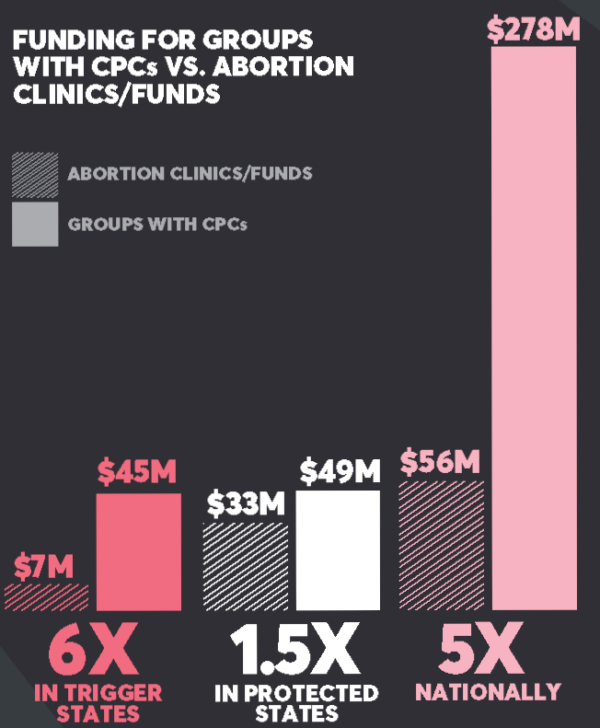
The report continues, “However, this only captures one small aspect of funding for the broader anti-abortion movement, leaving out a host of other activities by 501c3s and 501c4s such as the work done by anti-abortion centers. These fake clinics get hidden in other (often counter intuitive) data categories, including women’s rights, individual liberties, and even maternal health and prenatal care despite the fact, as detailed earlier, that the vast majority of anti-abortion centers are not actually healthcare facilities and do not provide medical services. In addition to funding for the Right to Life category, NCRP identified foundation funding for 1,084 of the anti-abortion centers identified in Reproaction’s database totaling $278 million between 2015-2019, or around $55 million per year.”
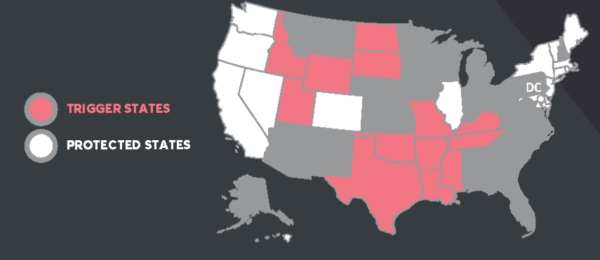
The anti-abortion movement received over $325 million in philanthropic funding from 2015-2019. With additional government funding and support from large parent organizations, the broader anti-abortion movement has amassed billions of dollars. The disparity between the funding received by the anti-abortion movement compared to the funding allocated to abortion clinics, funds, and reproductive rights organizations is significant. Nationally, the overall imbalance stands at 5:1. Even in the 16 states and DC where abortion is explicitly protected, foundation giving to groups with “crisis pregnancy” programs outpaces giving to clinics and funds. This disparity gets as high as 7:1 in trigger states.
The Shell-Game
The NCRP found tax information for approximately 2,400 of the over 2,600 anti-abortion centers in the Reproaction database. Shockingly, almost half of those groups providing “crisis pregnancy” services had shared Employer Identification Numbers (EINs), making them part of the same legal entity. Between 2015-2019, there were 1291 unique 501(c)3 legal entities that filed at least one tax form, which may include multiple locations and/or “shell” front groups.
Based on tax records, this subset of groups in the anti-abortion center industry earned over $4 billion in revenue during this period, approximately $860 million annually. Out of this, over half, i.e., at least $2.2 billion, went to the top 10 recipients, which are larger institutions primarily where pregnancy services are not the sole purpose of the organization. Therefore, it is logical to assume that only a portion of these funds directly benefited anti-abortion centers or counseling.
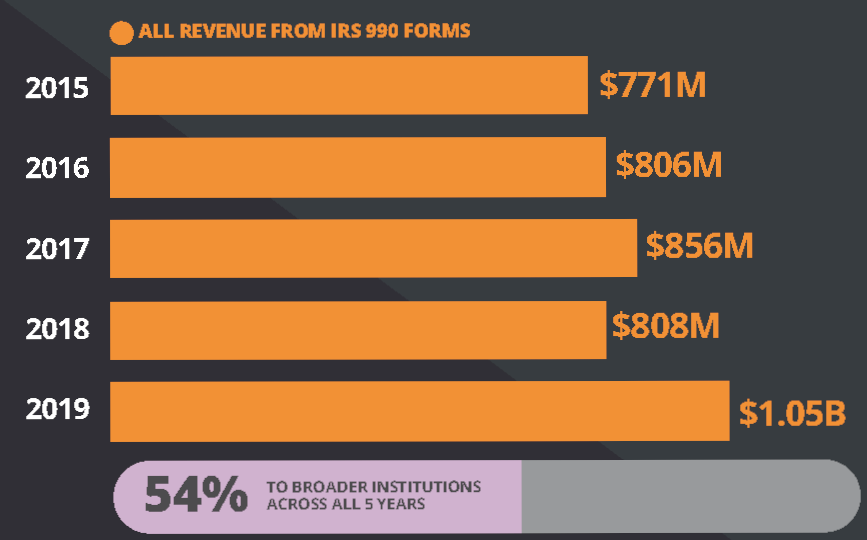
Disaggregated data reporting by organizations is not required by tax law, so it is impossible to determine the exact amount of revenue specifically allocated to AAC efforts. However, the available data clearly shows that most “crisis pregnancy “counseling, programs, and clinics are funded by well-funded larger institutions.
The bottom line is that anti-abortion centers are not, as their proponents would have people believe, small-scale individual church-based operations. Instead, they are deeply integrated into the core infrastructure of the biggest organizational players in the anti-abortion movement.
How to identify an anti-abortion center
Anti-abortion centers intentionally make it difficult to tell that they’re a part of an anti-abortion organization. Sometimes you might get lucky when you stumble on one of their websites and see that they’ve explicitly mentioned that they’re a Christian organization that does not support abortion, but most of the time that’s not the case since these centers primary mission is to intercept “abortion-minded women” and show them “the power of choosing life and Christ”. These are some key things you can look for to identify a AAC online:
Locate an anti-abortion center near you
- Check the one star reviews on Google/Yelp!
- If there is two abortion clinics on the same street, chances are one of them is an anti-abortion center.
- The website is vague in details such as:
- Who they are (no ‘About Us page or it’s a few, short sentences)
- Services they offer
- The website talks about abortion in a stigmatizing and hostile manner, is overly vague about the procedure, or attempts to talks about abortion in a neutral manner but references outdated and debunked studies
- The website provides the following services/programs:
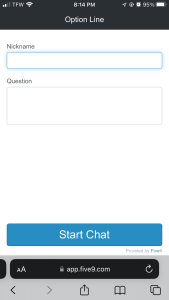
- OptionLine Chat
- Pregnancy Decision Line
- First Option Hotline
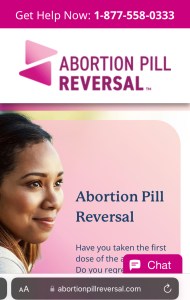
- Abortion Pill Reversal Network
- BrightCourse
- Extend Web Services (website provider)
- If you go in for a free pregnancy test and they do not give you the result right away, they refuse to tell you the result, or will not give you the result in writing, you are at an anti-abortion center.
- If the staff/volunteers are openly hostile towards abortion, you are likely at an anti-abortion center
- If you’re actively looking through multiple AAC websites, you will notice a lot of them use the same format and wording they just change the color scheme, stock photos, and testimonies. This is because they are a part of larger anti-abortion networks that provide anti-abortion center models, website providers, and programs. CareNet and Heartbeat International are two of the largest anti-abortion networks in the world.



Discover more from Craftivist The Activist
Subscribe to get the latest posts sent to your email.
 Craftivist The Activist
You must be logged in to post a comment.